The Go Bag and the Pantry
If your go bag is for war, enemy incursion, or forced evacuation, it needs to support survival in chaos, movement through dangerous areas, and potential long-term displacement. This means self-defense, mobility, communication, and sustenance are critical.
This list is informed by what Ukrainian families wished they had when evacuating under attack.
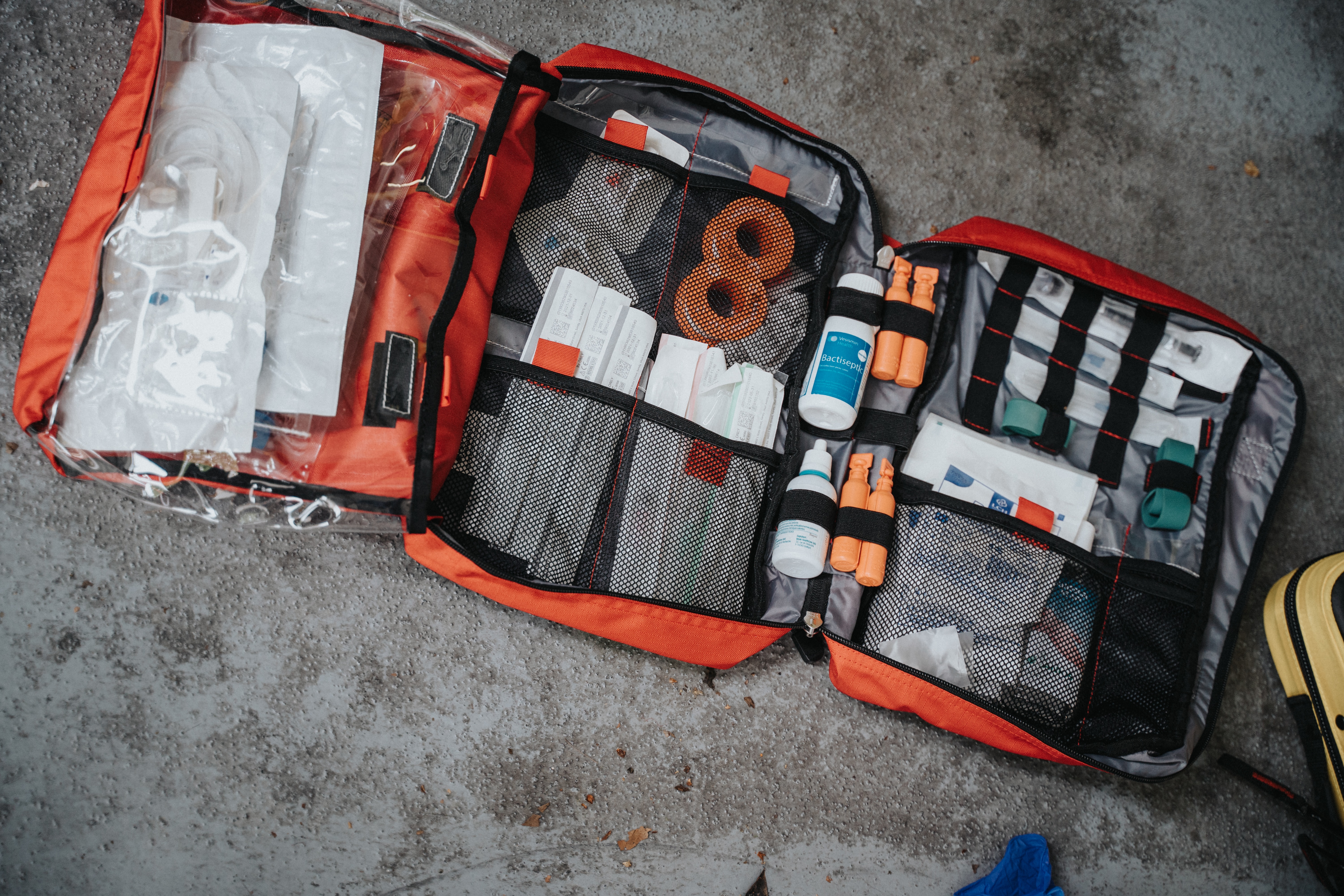
🚗 War Zone Go Bag (Emergency Evacuation Kit for a Family of 5)
🎒 Bag Priorities:
- Compact & Portable: Keep it in backpacks or duffel bags for easy carry.
- Layered System: Pack one big bag in the car, but also have smaller individual bags in case of separation.
- Durability: Waterproof bags, MOLLE attachments, dry bags for key items.
🚨 Critical Documents & Money
📄 Physical Copies & USB Drive of:
- Passports & Birth Certificates
- ID Cards / Driver’s Licenses
- Property Deeds / Car Title
- Medical Records & Vaccination Cards
- Emergency Contacts & Maps (paper versions)
- Photos of Family Members (in case of separation)
💰 Cash (local + foreign currency) – Assume banks and ATMs might fail.
🔑 Spare Keys – House & car.
💧 Water & Food
🚰 Water Supply – 1.5L per person (in sturdy bottles). Also:
- Water purification tablets or Sawyer Mini filter (can turn dirty water into drinkable water).
- Collapsible water containers or hydration bladders.
🍴 High-calorie food that doesn’t require cooking
- Energy bars (Clif, Datrex rations)
- Peanut butter, nuts, dried fruit
- Canned food + can opener
- Freeze-dried meals (Mountain House, ReadyWise)
- Baby food/formula if needed
🏥 Medical & First Aid
🩹 Comprehensive First Aid Kit (not just Band-Aids!)
- Tourniquets (CAT or SOFTT-W) – For severe bleeding
- Israeli compression bandages
- Hemostatic gauze (QuikClot, Celox)
- Burn gel, antiseptics, wound closures (butterfly bandages)
- OTC meds – Ibuprofen, antihistamines, anti-diarrheal, anti-nausea
- Prescription meds (2+ weeks supply in original bottles)
- Eyeglasses or contact lenses + solution
🏕 Shelter & Warmth
- Lightweight sleeping bags or bivvy sacks
- Emergency mylar blankets (retain body heat, waterproof)
- Ponchos / rain gear
- Gloves, hats, thermal socks
- Lightweight tents/tarps (for setting up quick cover)
🔦 Light, Power & Communication
🔦 Flashlights + headlamps (with extra batteries)
🔋 Power bank (20,000 mAh min) + solar charger
📱 Old backup phone + prepaid SIM cards
📡 Hand-crank emergency radio (AM/FM & shortwave)
📍 GPS device (Garmin inReach or similar for offline navigation)
📖 Printed maps of your area & planned escape routes
🛠 Tools & Multi-Use Gear
🔪 Fixed-blade knife + multitool (Leatherman, Gerber, etc.)
🔨 Compact pry bar (for breaking into buildings if trapped)
🚨 Glow sticks (for low-profile visibility)
🧵 Duct tape, zip ties, paracord (for repairs & securing things)
🛠 Firestarter kit (ferro rod + waterproof matches + lighters)
🏃♂️ Self-Defense & Security
🦺 Bullet-resistant plates or soft armor (if available)
🕶 Sunglasses/goggles (protect against debris, flash)
🩹 IFAK Trauma Kit (tourniquets, Celox, bandages, etc.)
🔫 Legal personal protection (if applicable in your region)
🧼 Hygiene & Sanitation
🧻 Toilet paper, wet wipes, feminine hygiene products
🦷 Toothbrush, toothpaste, soap, deodorant
💊 Hand sanitizer & disinfecting wipes
🛑 N95 masks (for smoke, dust, biohazards)
🧸 For Kids
🧸 Small comfort items (stuffed animal, favorite toy)
📖 Activity books, cards, lightweight entertainment
🥣 Extra snacks
🏡 Home War Readiness Kit
If you must shelter in place, you need:
🛑 Security & Defense
🔐 Reinforce doors & windows
🚪 Door jammers, window locks
🎥 Security cameras (if power is reliable)
🧯 Fire extinguishers
💡 Battery-powered security lights
🍽 Food & Water
🚰 1-3 months of food & water (freeze-dried, canned)
🔥 Camping stove + fuel (propane, alcohol, wood options)
🥄 Reusable utensils, mess kits
⚡ Power & Communication
🔋 Generator or solar panels + inverter
📻 HAM radio, shortwave radio
🏥 Advanced First Aid
🩺 BP monitor, stethoscope, trauma supplies
📌 Key Takeaways
- Keep car bags light & mobile. Think “grab & go.”
- Home kits should be long-term survival-based.
- Maps, cash, and off-grid communication are crucial.
- Always assume roads could be blocked. Have multiple escape routes.
A solid rotation and maintenance strategy ensures that your emergency supplies remain fresh, functional, and accessible without wasting resources. Here’s a practical approach for managing your stored supplies efficiently.
1. General Strategy: FIFO (First In, First Out)
For food, water, and perishable items, use a rotation system similar to what grocery stores do:
- Label all items with the purchase or expiration date.
- Consume and replace before expiry – Eat stored food and replace it with fresh stock.
- Store what you eat, eat what you store – This keeps your supplies aligned with your normal diet.
Example:
- If you store three months’ worth of food, integrate it into your regular meals and restock with fresh items.
- Every time you buy groceries, set some aside for long-term storage and use older stored food in daily meals.
2. Food & Water Storage MaintenanceItemShelf LifeCheck & RotateStorage TipCanned Food
1-5 years
Every 6 months
Keep in cool, dry place
Dry Goods (rice, pasta, flour, oats)
1-2 years (longer if vacuum-sealed)
Every 6 months
Store in airtight containers
Freeze-Dried Food
10-30 years
Annually
Store in sealed packaging
Bottled Water
1-2 years
Every 6 months
Keep out of sunlight
Water Purification Tabs
3-5 years
Annually
Check expiry date
Protein/Energy Bars
6-12 months
Every 3 months
Swap out for fresh ones
Cooking Oil
6-12 months
Every 6 months
Store in a cool, dark place
✅ Set a calendar reminder every 3-6 months to review and rotate food & water.
3. Car Emergency Kit: Seasonal Refresh
Car emergency supplies should be checked at least quarterly, and more frequently in extreme weather conditions.
ItemCheck & RefreshNotes
Water bottles
Every 3-6 months
Heat can break down plastic
Non-perishable snacks (granola bars, nuts)
Every 3 months
Replace if expired or stale
First-aid kit
Every 6 months
Check medications, bandages, and antiseptics
Flashlight & Batteries
Every 3 months
Test flashlight, replace batteries
Jumper Cables
Annually
Ensure they are not corroded
Blankets & Warm Clothes
Every 6 months
Swap for seasonal needs
Emergency Cash
Annually
Ensure small bills are available
Multi-tool / Knife
Annually
Check for rust or dullness
Road Flares / Reflectors
Every 6 months
Replace expired flares
Tire Repair Kit & Air Pump
Every 6 months
Ensure it's functional
Windshield Washer Fluid
Every season
Switch to winter formula when necessary
✅ Best practice: Review car supplies with each oil change or set a seasonal check (e.g., Spring & Fall).
4. Long-Term Gear & Equipment (6-12 Month Check)
For tools, survival gear, and emergency equipment that may sit unused for long periods:
- Check every 6 months for wear, battery levels, and functionality.
- Test generators and solar chargers monthly or quarterly to ensure they are ready to use.
- Inspect sleeping bags, tarps, and tents for moisture, mold, or damage.
- Firearms (if applicable) should be cleaned and checked regularly.
- Fuel & propane should be rotated (gasoline degrades in 3-6 months unless stabilized).
✅ Set an annual review to check all gear and replenish missing items.
5. Digital & Paper Backup
Since a disaster or emergency might impact communications:
- Keep printed copies of important documents (IDs, insurance, emergency contacts).
- Have digital backups on a USB drive or offline storage.
- Review & update documents annually.
✅ Store important documents in a fireproof, waterproof container.
6. Action Plan & Calendar Setup
To stay on top of everything:
- Quarterly Review (every 3 months)
- Rotate food & water in your pantry.
- Check vehicle emergency kits and update for the season.
- Test flashlights, radios, and rechargeable batteries.
- Verify first aid kits for expired items.
- Bi-Annual Review (every 6 months)
- Inspect emergency gear, tools, and fuel reserves.
- Check backup power (generators, battery banks).
- Update emergency contact lists and evacuation plans.
- Annual Deep Review
- Fully inventory all stored supplies.
- Replace long-term items nearing expiration.
- Update documentation, maps, and offline information.
✅ Use a digital calendar (Google Calendar, Apple Reminders) or a physical checklist to keep track of review dates.
Final Thoughts: A Balanced Approach
Your strategy should be practical, sustainable, and integrated into daily life:
- For food & water → Rotate regularly and store what you eat.
- For car kits & emergency gear → Schedule seasonal checkups.
- For long-term storage → Inspect annually and update as needed.
By doing small scheduled maintenance checks, your emergency supplies will always be ready when needed—without last-minute scrambling.